DeFi credit & RWA analysis
Anatomy of a DeFi Credit Unwind: Warbler Labs, Goldfinch, and the Road to GIP-87
A pool-by-pool research framework for understanding the capital chain, legacy credit exposure, and the questions that matter for recovery analysis.
Scope: This is independent commentary based on public reporting and governance materials. It is not legal, investment, tax, or regulatory advice, and it does not assert liability or proven wrongdoing by any entity.
The capital chain
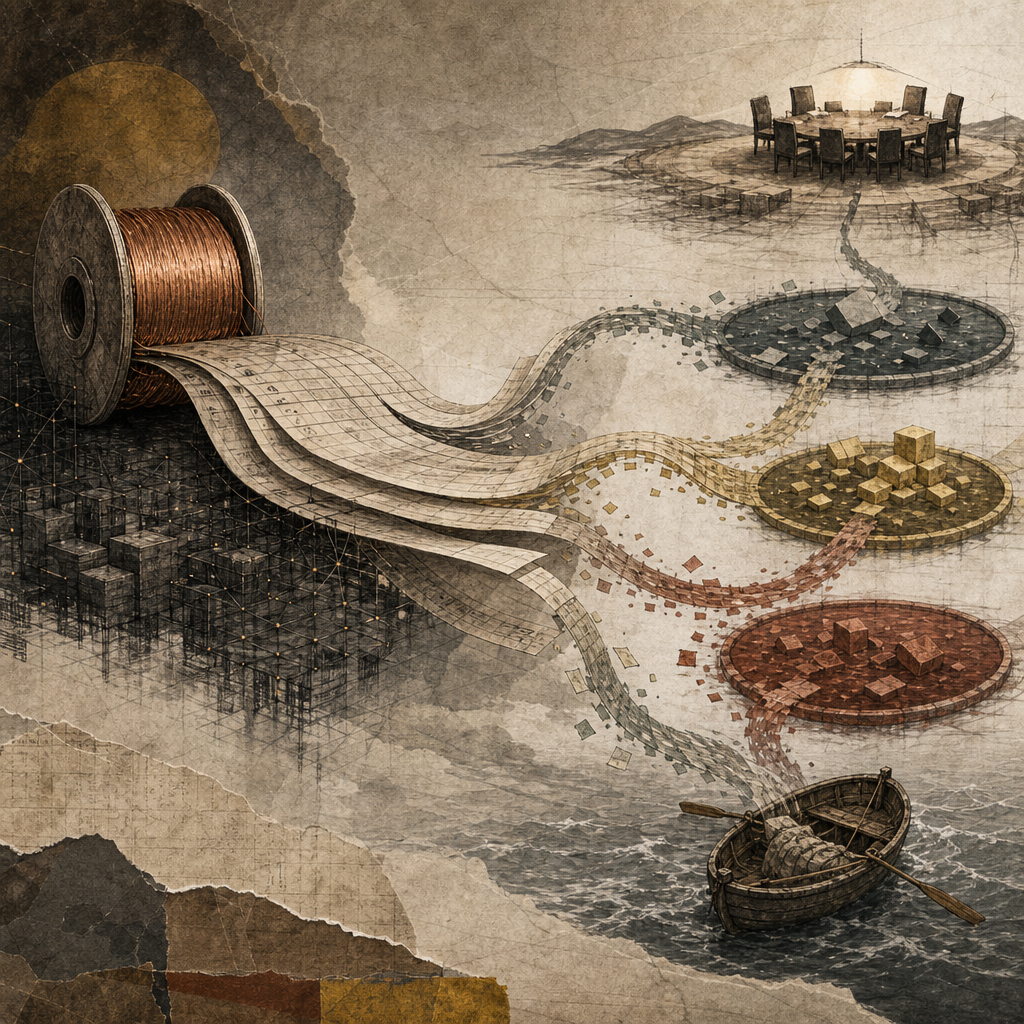
Goldfinch was presented as an on-chain private-credit protocol: liquidity providers supplied stablecoins, protocol arrangements routed capital to borrower pools, and borrowers on-lent to underlying businesses and consumers. Public materials associate Warbler Labs with development and operational work, while GFI token holders formally participated in governance. The contractual roles, disclosures, and recovery rights can differ across smart contracts, borrower entities, backers, advisers, and other parties.
Borrower pools, loss by loss
Public discussion has focused on borrower pools including Tugende, Stratos, and Lend East, as well as AlmaVest, Cauris, Addem Capital, QuickCheck, and PayJoy. The article separates approximate figures and reported issues from verified legal conclusions. It asks how the junior and senior tranches allocated risk, what borrower-level information was disclosed, and which documents would be necessary to understand any reported impairment.
- Tugende: public reporting and governance discussion raise questions about the purpose and destination of pool proceeds.
- Stratos: public discussion has raised questions about reported REZI and POKT exposure, the applicable mandate, and LP disclosure.
- Lend East: governance materials and community reports discuss a significant impairment; the underlying documents are needed to assess the circumstances.
Heron Finance and the wind-down
Heron Finance and Warbler Advisory, Inc. should not be conflated with unrelated companies using the Heron name. GIP-87, dated June 12, 2026, proposed a Goldfinch Prime wind-down and maintenance-focused operations around legacy recoveries. Readers should check the relevant governance proposal and final on-chain record for the operative vote result, loan-book figures, and recovery horizon.
Questions for claims and future RWA credit
Potential areas for research include loan agreements, underwriting memos, borrower monitoring, disclosure records, governance materials, and actual rights among capital providers. An economic connection is not itself evidence of legal liability. For RWA credit markets, the case study illustrates why underwriting independence, information rights, servicing controls, conflict management, and liquidity terms must match the underlying assets.
Read the full article in the interactive experience, or return to all analysis.