Source-disciplined reporting on protocol governance, private credit, and questions that require primary-document verification.
Scope: These articles are independent commentary, not legal, investment, tax, or regulatory advice. They do not assert that any entity committed wrongdoing.
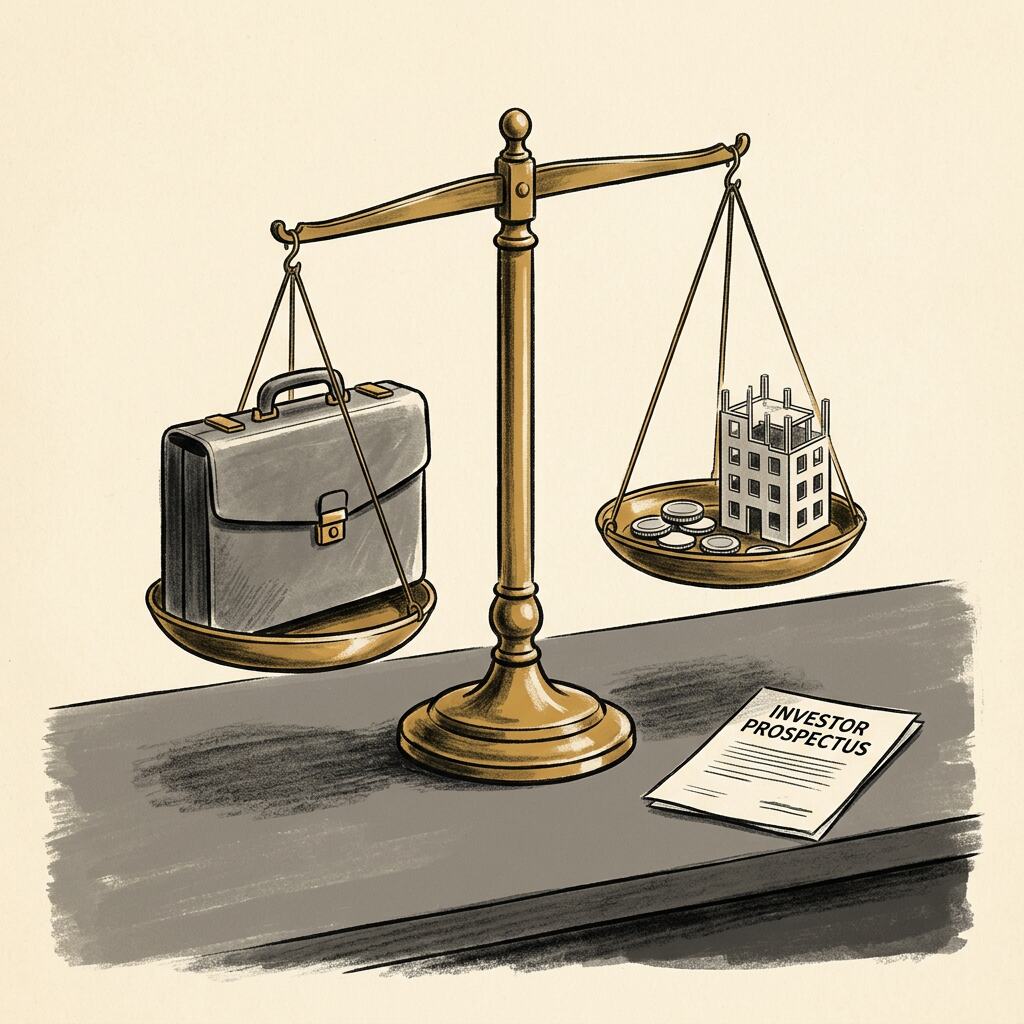
How Coinbase’s contract terms, risk disclosures and individual arbitration shape yield-token disputes—and why listing is not a promise of returns. General information, not legal advice or a finding of wrongdoing.
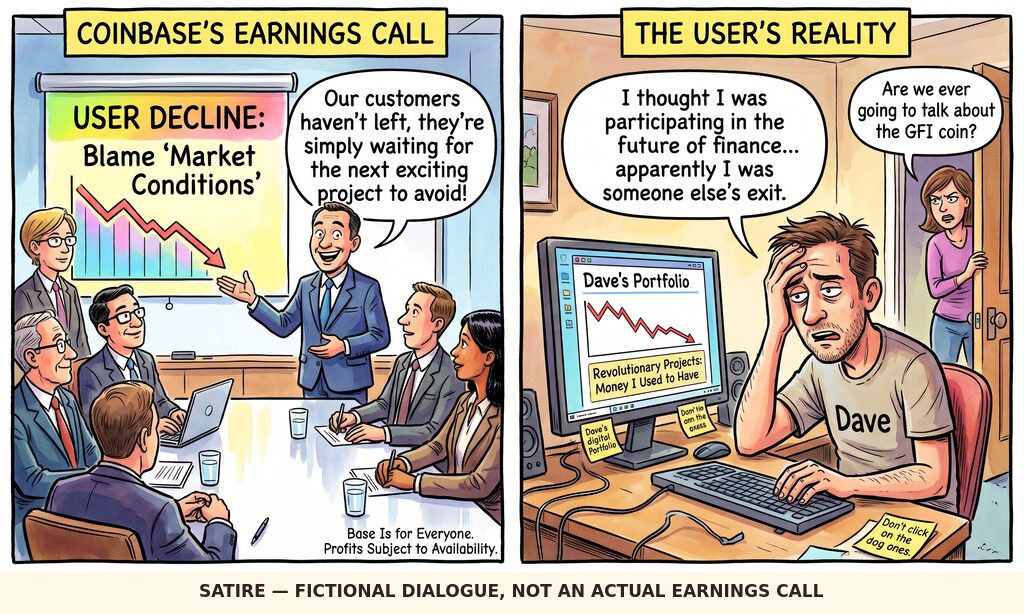
A fictional former customer discovers memory. Satire with dated, attributed user figures and Base-token reporting—not established explanations of customer behavior.
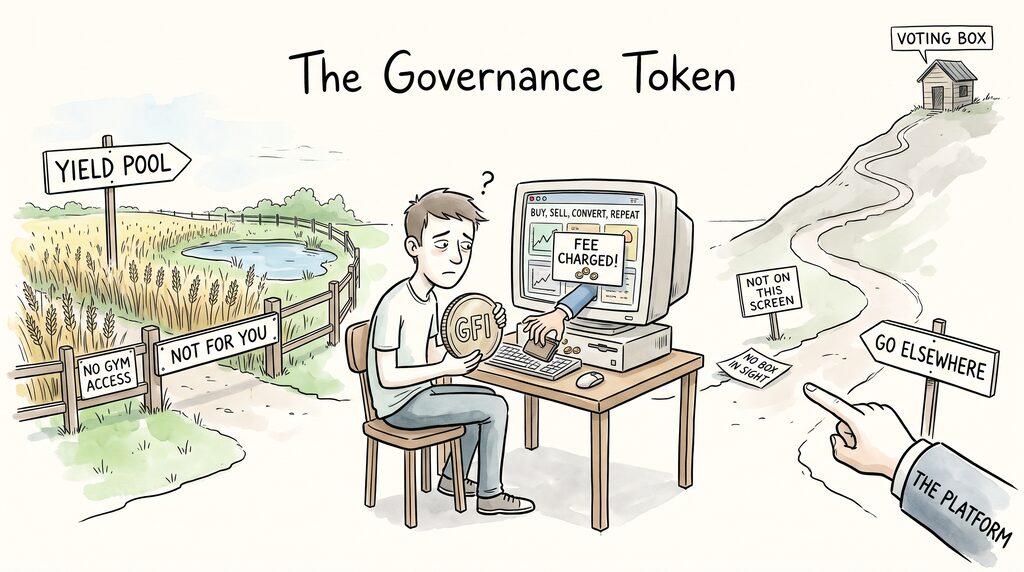
A fictional advertisement about buying a token, accessing lending yield and exercising governance. Invented dialogue, not actual Coinbase statements or product terms.
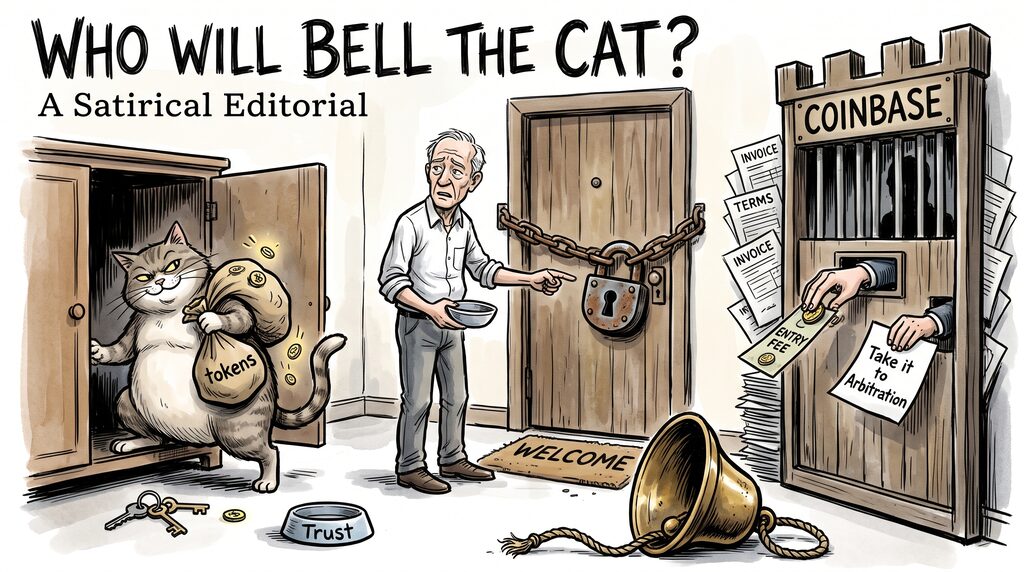
A customer's poem about token losses, listing checks, arbitration and demands for disclosure. The house and cat are metaphors, not an accusation of theft.
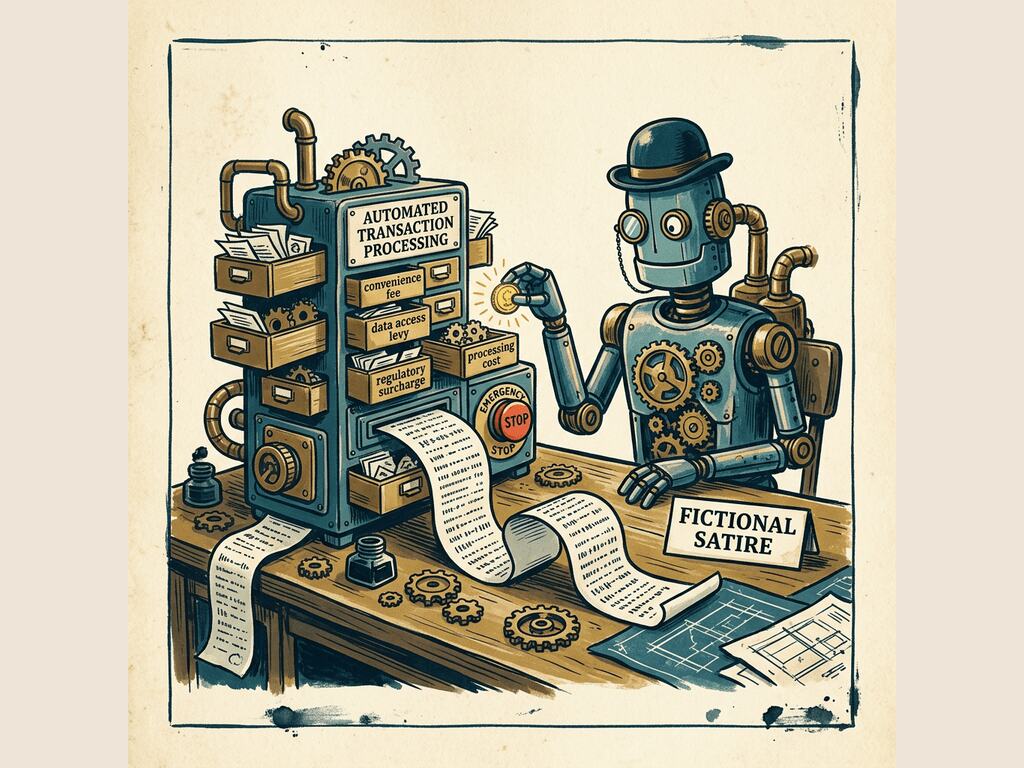
A fictional press release about AI trading, fees and user accountability, with sourced context separating real product capabilities from imagined announcements.
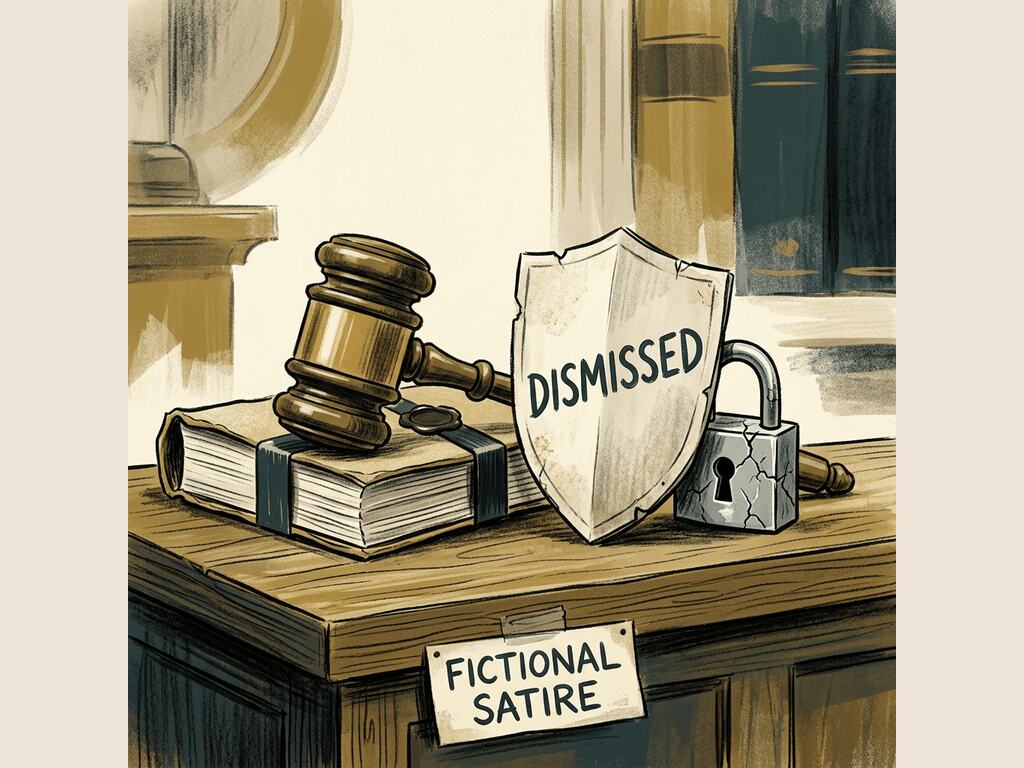
An invented courtroom exchange inspired by reporting on Castle v. Coinbase, distinguishing dismissal of a securities-fraud complaint from certification of cybersecurity.
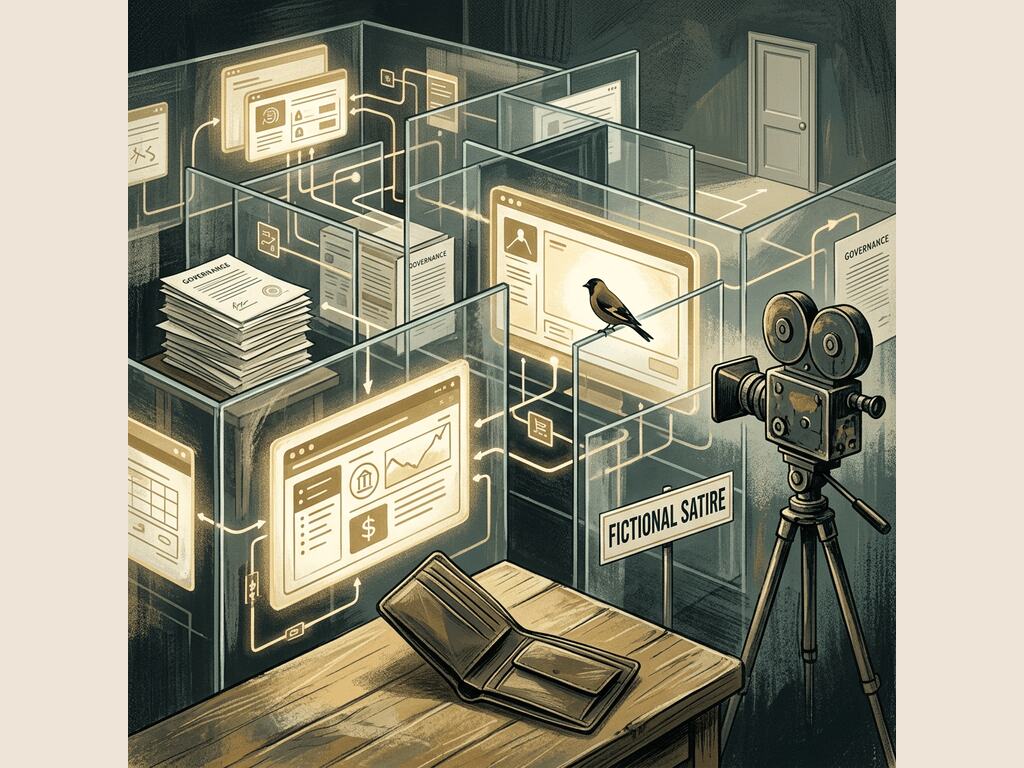
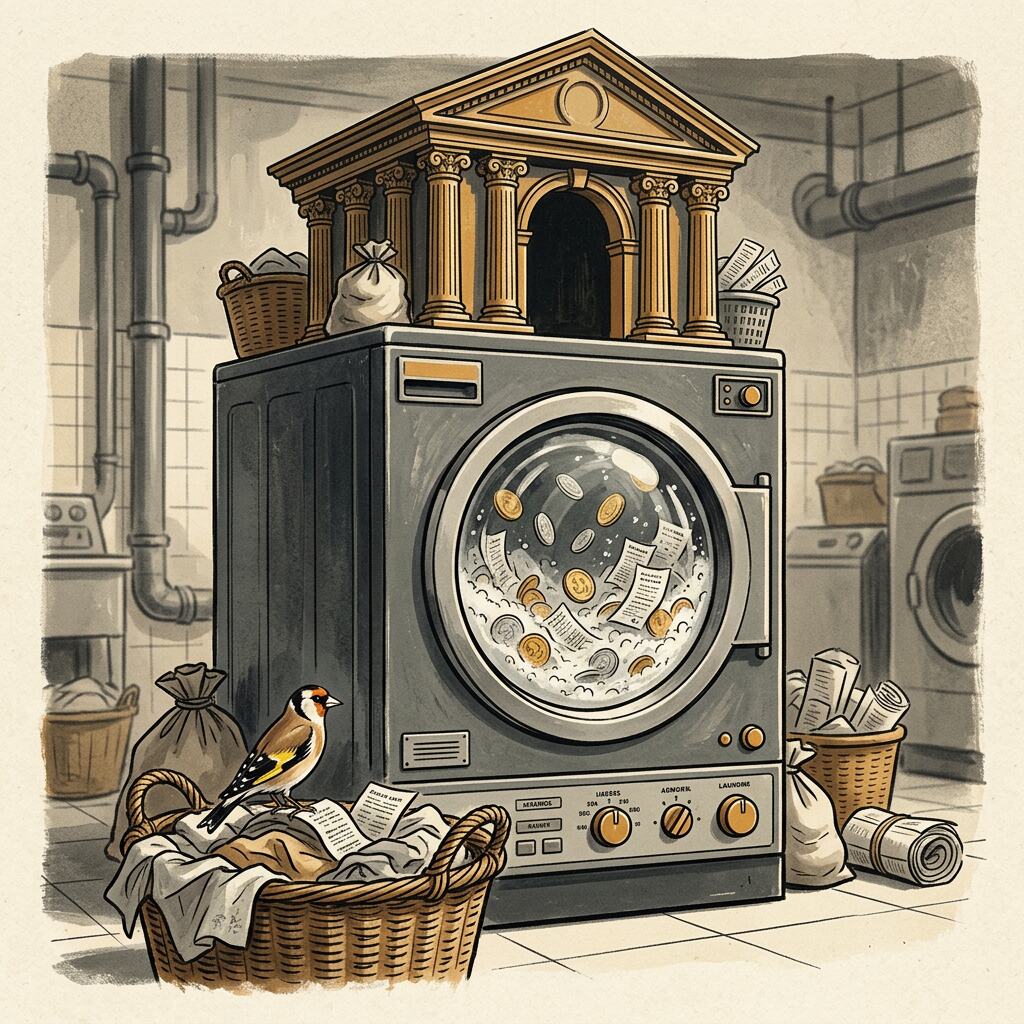
An invented mock-documentary about visible transactions, perceived backing and uncertain recovery, with sourced background distinguishing GFI, legacy lending and Prime redemption.
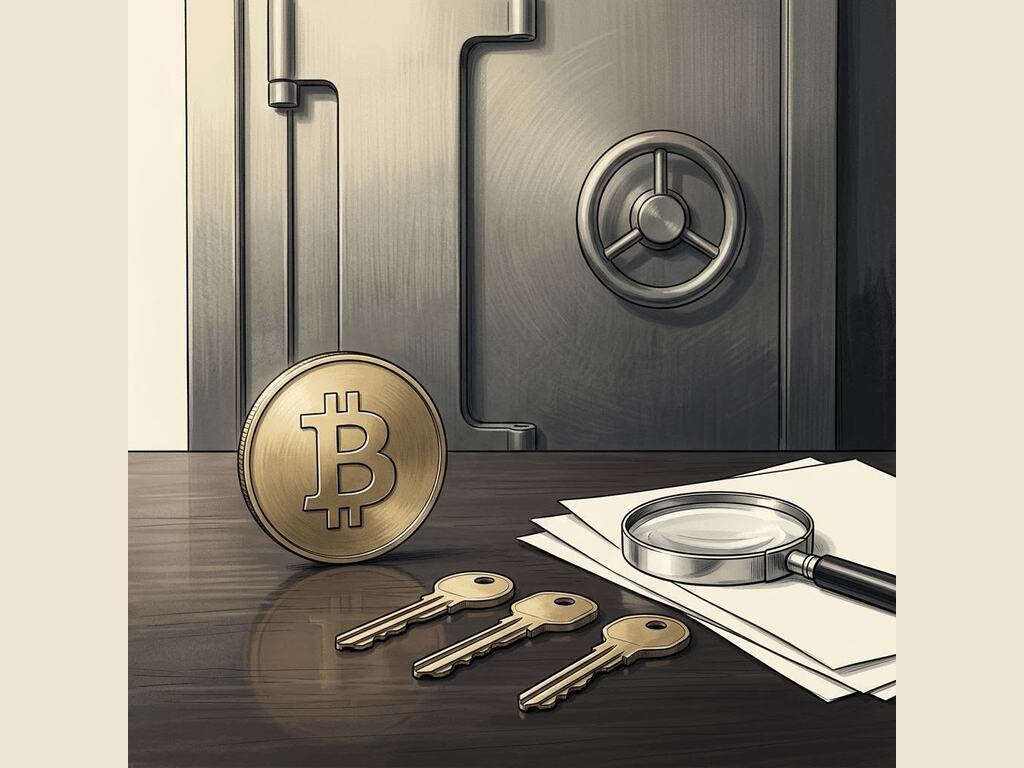
A reader-supplied commentary on custody controls, independent verification and Michael Tanguma’s CoinDesk opinion column. Disputed allegations are not established findings.
Goldfinch, Warbler Labs, Coinbase, and the cost of confusing credibility with protection: loan rights, Lend East, and the difference between legacy recovery and Prime redemption.
A January Discord screenshot and the later GIP-87 wind-down proposal raise questions about Goldfinch Prime’s changing plans, without establishing deception or investor reliance.
A reader-supplied research note on Coinbase–Deribit integration, staged product access, leverage, liquidation, portfolio margin, and customer due diligence.
A reader-supplied policy proposal for privacy-conscious self-exclusion across prediction-market brokers and exchanges, acknowledging existing controls and coverage gaps.
A reader-supplied policy case for examining GFI investment, listing disclosures and token sales—not a confirmed investigation or finding of wrongdoing.
A contributor's commentary on social proof, incentives, and what Goldfinch's wind-down can teach readers about evaluating crypto credit. Not an allegation of wrongdoing.
Governance, economic freedom and the reassuring weight of a very clearly labeled PDF. Fictional parody inspired by Coinbase’s February 2025 blog; not a real announcement or allegation.
An imaginary trading portal, a very articulate exchange and an investor left reading the risk disclosure. Invented dialogue and policies, not an allegation of theft.
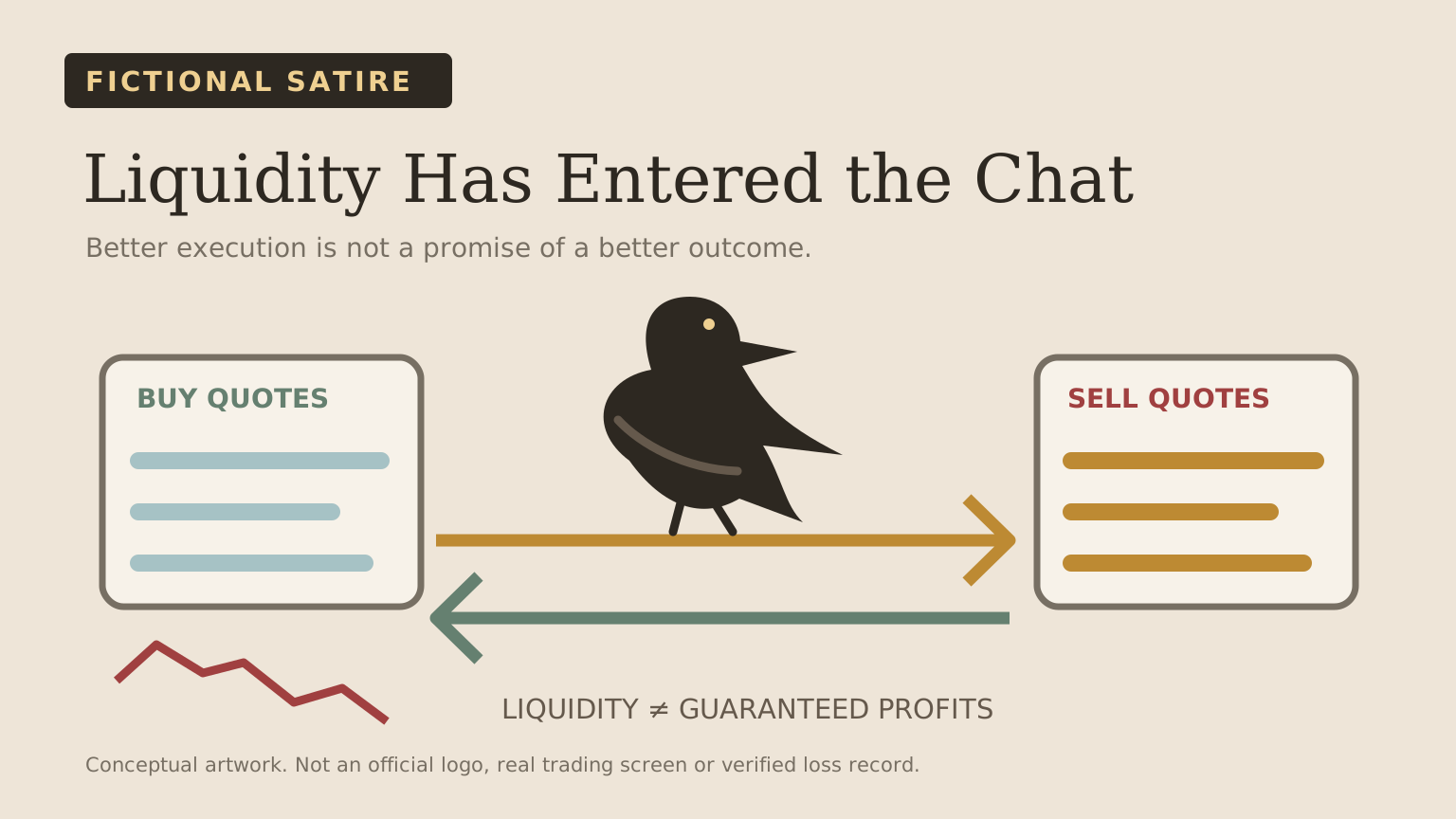
Raven’s reported backing meets a fictional trader’s conviction: better liquidity is not the same as better judgment. Invented quotes and trading scenarios.
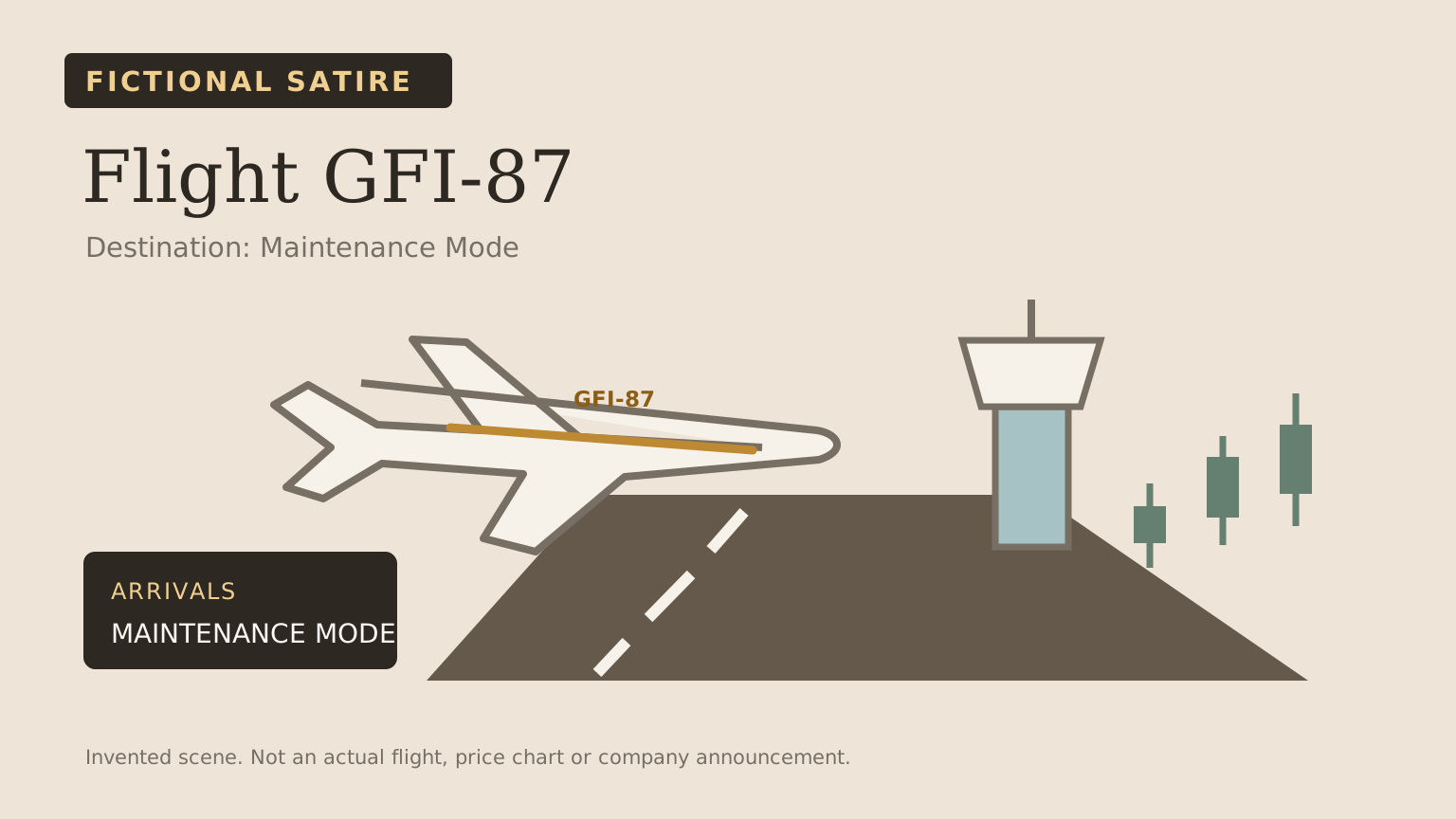
An imaginary captain’s announcement about liquidity, borrower recoveries and the difference between a bounce and a relaunch. Invented dialogue and illustrative figures.
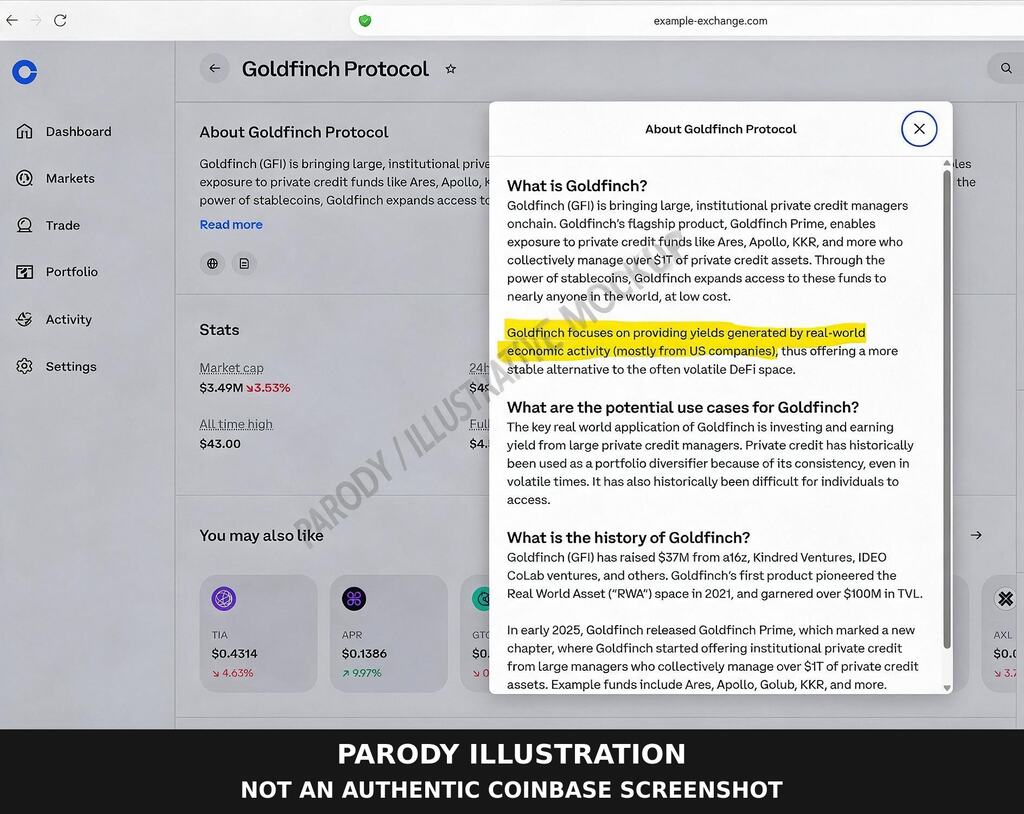
GFI is a governance token, not a lending-pool deposit. A fictional Q&A and sourced criticism of Coinbase’s lending-yield descriptions after Goldfinch’s wind-down announcement.
Opinion on startup financing and token-buyer risk. Criticism of the model is not evidence that a16z or Coinbase Ventures sold GFI, and is not an allegation of wrongdoing by Goldfinch.
A source-linked guide to credit risk, transparency, investor rights, and why Goldfinch Prime, legacy lending pools, GFI, and Heron have different outcomes.
An unofficial fictional fintech panel about roadmaps, repayments, and the less glamorous work of credit recovery—not an actual Boston Fintech Week session.
Clearly labeled satire contrasting Coinbase’s reported phishing-platform takedown with hypothetical consumer-protection questions about GFI; no allegation of market manipulation or insider trading.
A satirical look at trimming the CallableLoan contract by four kilobytes, life as a GFI governance-token holder, and the roughly $300 left unclaimed when Goldfinch Prime wound down.
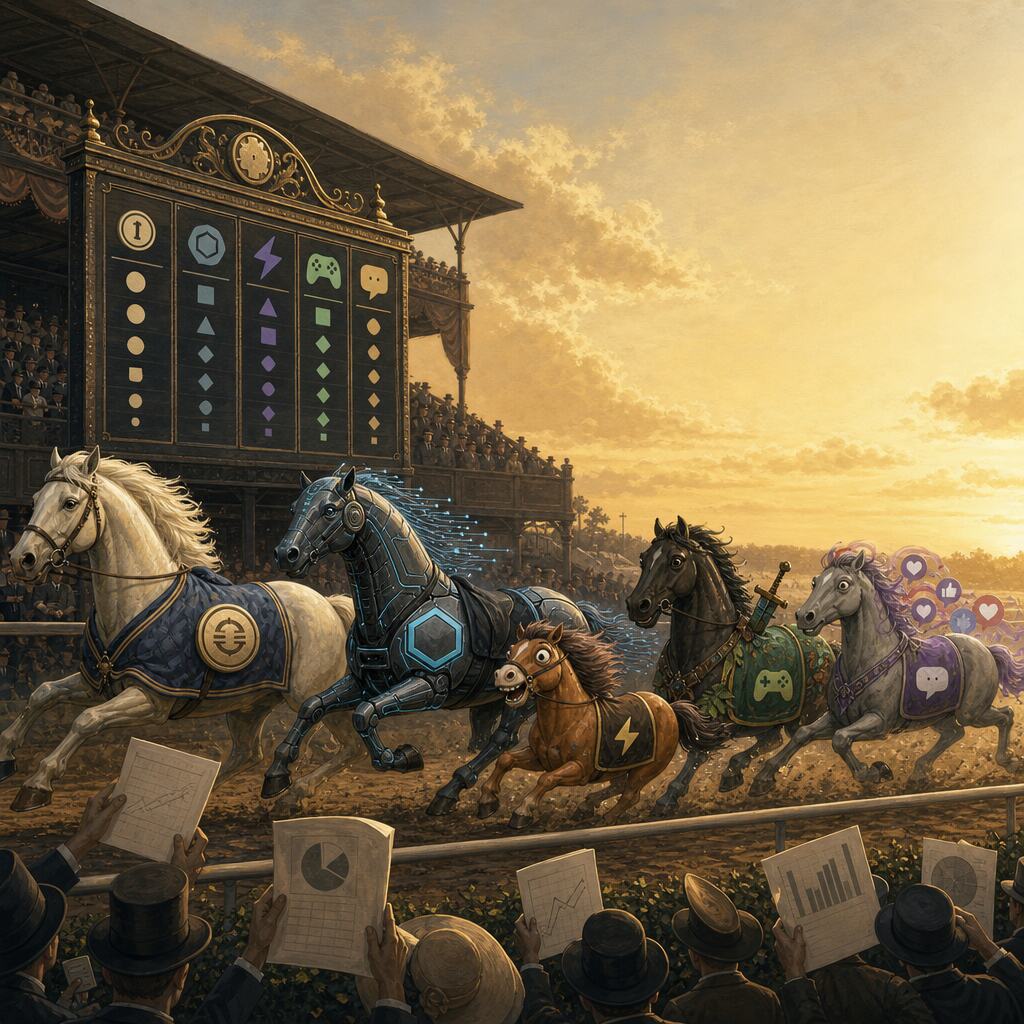
A market-cap comparison against Maple, Centrifuge, Ondo, Pendle, and Mantra shows GFI's collapse wasn't a sector-wide correction — it was the absence of anything left to recover.
Goldfinch's record of borrower defaults, restructuring, and weak recoveries gives investors legitimate reasons for concern — but “scam” is a serious accusation that should not be stated as established fact without a regulatory finding or proof of intentional fraud.
A federal sentencing named NFL tight end Travis Kelce as one of 64 victims in a Texas Ponzi scheme. The case isn't connected to Heron Finance or Warbler Labs — but it sharpens the diligence questions private-market investors should ask about custody, concentration, and liquidity.
The Senate’s CLARITY Act setback does not end tokenized real-world assets. It does raise the standard for legal wrappers, servicing, liquidity, and wind-down controls.
A source-labeled review of a July 2026 reply to Goldfinch, the attached “Our Team” image, and why a warning-style caption is not proof of wrongdoing or legal action.
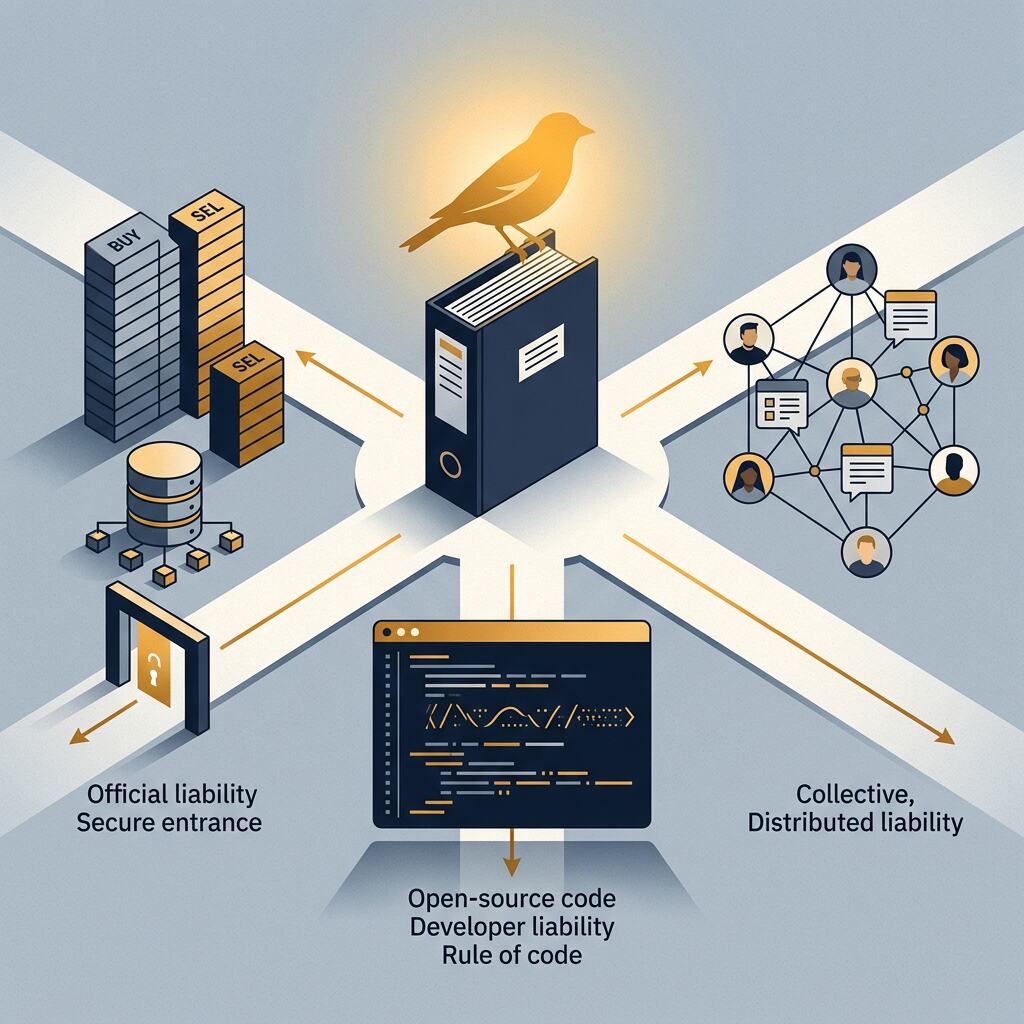
A source-linked analysis of Goldfinch's private-credit controls, the Lend East episode, GFI holder risk, and why serious governance questions are not automatically proof of fraud.
A source-linked comparison of Indian unauthorized deposit schemes with Warbler Labs, Goldfinch, and Heron private-credit risks—without equating investment loss with fraud.
A clearly labeled parody about Coinbase's reported India expansion, crypto-tax friction, exchange listings, and why familiar names—including Goldfinch's GFI token—are not substitutes for due diligence.
Satori Finance processed a reported $134 billion in trading volume before shutting down in June 2026, citing revenue that no longer covered the cost of running the platform. A source-linked comparison with Goldfinch's own decline, and why the two failures have almost nothing else in common.
Goldfinch, Router Protocol, Legend, Entropy, Qredo, and Satori Finance all shut down after raising from Coinbase Ventures or a16z. A source-linked look at each wind-down, what the pattern does and doesn't prove, and what it means if you had money in any of them.
Legend, a DeFi "super app" backed by the same a16z and Coinbase Ventures pairing that backed Goldfinch, shut down in May 2026. A closer look at what actually happened, and why the two wind-downs carry very different stakes for users.
Coinbase Ventures-backed Router Protocol is shutting down and burning 303 million ROUTE tokens. A source-linked comparison with Goldfinch's own decline, and what one more portfolio failure does and doesn't prove.
A source-linked review of the reported December 2025 wallet exploit, GIP-85’s proposed $250,000 reimbursement, and what the later GIP-87 wind-down record does—and does not—establish.
The public record on Goldfinch's borrower defaults, the GIP-87 wind-down terms, the depositor-reported loss-rate gap, and how Warbler Labs has responded to "rug pull" allegations.
A literary reflection on Donna Tartt's The Goldfinch and the holder's view that an abrupt Goldfinch wind-down ended the project and left nothing credible to recover.
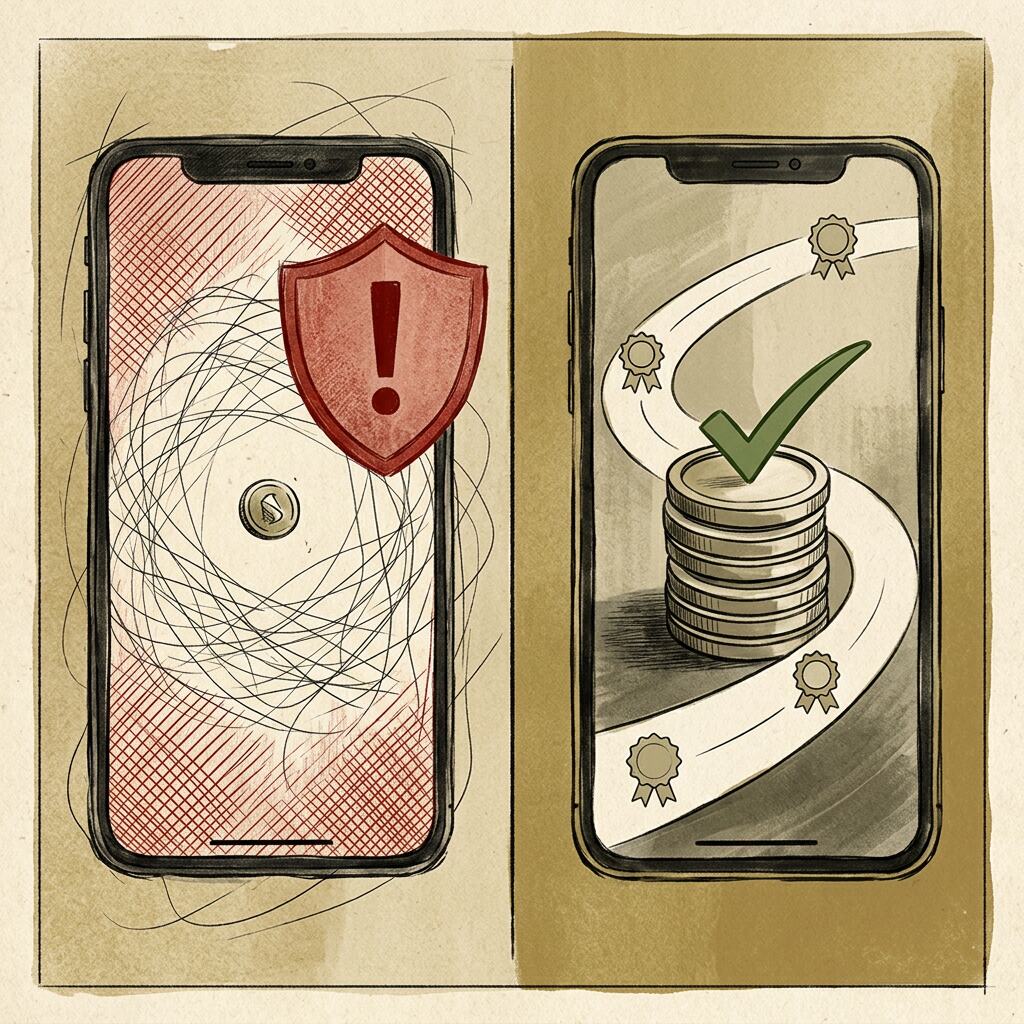
Clearly labeled fictional commentary about payment warnings, crypto purchase screens, venture-capital logos, and the difference between recognition and due diligence.
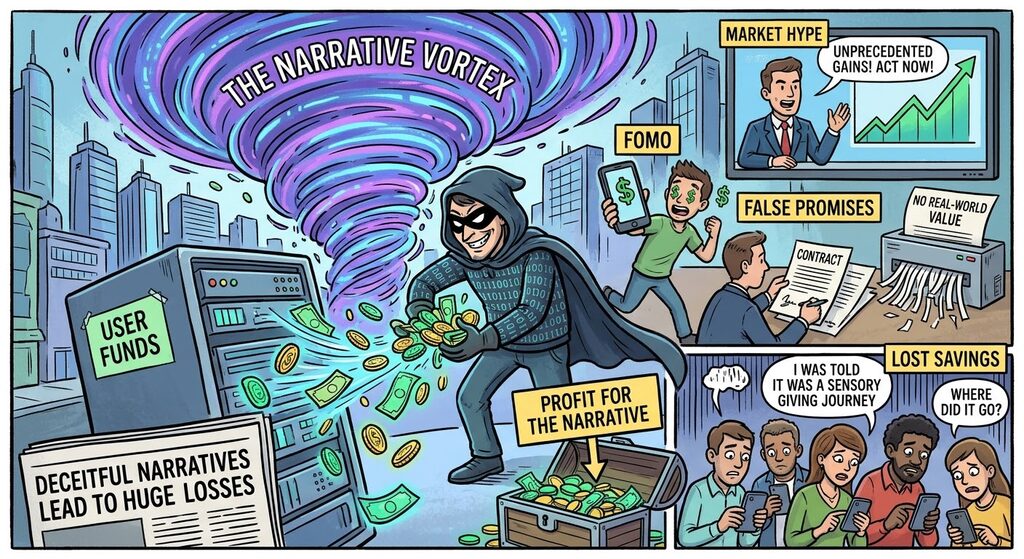
A cautious three-step framework for examining narrative, liquidity, and governance during a Goldfinch wind-down without treating an insider-exit theory as established fact.
A source-disciplined post-mortem examining uncollateralized lending, reported borrower impairments, GFI's market decline, and the limits of on-chain enforcement.
Clearly labeled fictional commentary about venture-brand prestige, exchange listings, and why promotional narratives should not be treated as evidence.
Clearly labeled fictional commentary using illustrative metrics and editorial devices to discuss protocol risk; not a live audit or factual status finding.
The legal questions regulators could apply when GFI was made available to U.S. retail investors — Howey analysis, Coinbase's role, and what disclosures matter.
A reader's first-person account of buying GFI because Coinbase Ventures and a16z were involved, and the difference between borrowing someone else's conviction and building your own.
A reader's first-person reflection on how a GFI loss started to resemble a bet worth chasing, the warning signs that stopped them, and anti-gambling wisdom drawn from eleven languages and cultures.