Satire & commentary
Market Makers and DAO Governance: A Fictional Educational Satire
A fictional Onion-style governance satire explaining what market makers do, what liquidity does not prove, and which questions investors should ask.
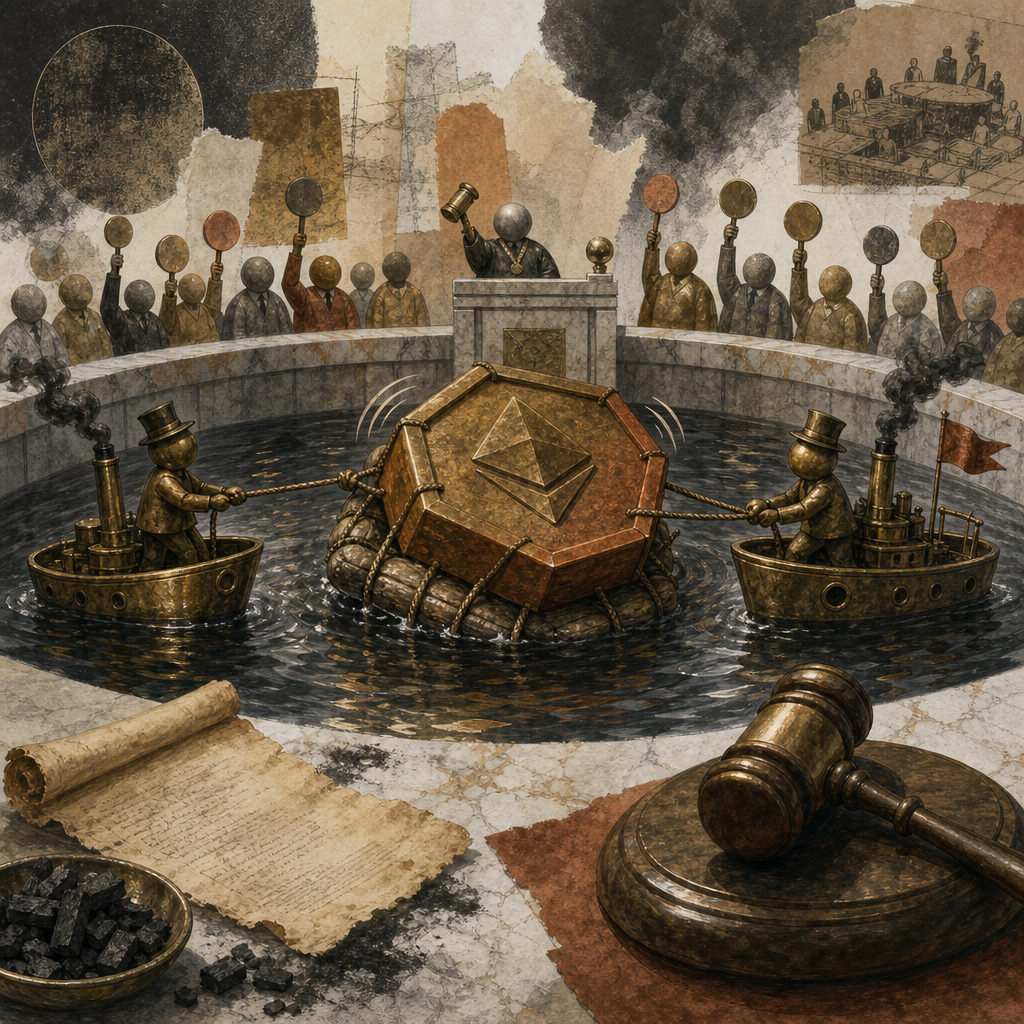
SATIRE — fictional commentary, not a description of any real proposal or project. This site uses fictional satire to explain DeFi risks. References to governance, liquidity, and market making are educational; they do not allege misconduct by any real protocol, organization, contributor, or trading firm.
I. The vote arrives with its own press desk
Fictional GoldPigeon DAO approves GIP-420: "Add Two Definitely Independent Market Makers." The proposal promises improved liquidity, tighter spreads, and a chart that looks less like it was drawn during an earthquake. No actual DAO was quoted. No actual market maker was accused.
II. What market makers actually do
Legitimate market makers can offer to buy and sell an asset, providing two-sided quotes that may improve liquidity, reduce spreads, and make execution easier. They do not guarantee a higher token price, eliminate volatility, or make an investment safe.
Investors should investigate conflicts of interest, compensation, token incentives, concentrated control, low liquidity, and artificial-looking volume. They should distinguish genuine two-sided liquidity from self-dealing, wash trading, or promotional volume generated by related wallets.
Reality Check: Questions Before Applauding "More Liquidity"
- Who hired or compensated the market makers, and how?
- Are they paid in stablecoins, protocol tokens, options, grants, or trading incentives?
- Are their wallets and activity transparently disclosed?
- Is there genuine depth on both buy and sell sides, or only a flattering chart?
- Does volume come from diverse, independent wallets?
- Who controls the pool liquidity and liquidity-provider tokens?
- Can the token contract change transfer rules, fees, blacklists, or mint supply?
- Can a normal holder execute a small sell without extreme slippage or taxes?
III. The fine print has several other fine prints
Market-making arrangements may involve stablecoins, tokens, options, grants, or trading incentives. Review who selected the firms, who controls pools and LP tokens, how concentrated activity is, and whether a normal holder can trade without extreme slippage or taxes.
IV. The satire ends; the due diligence does not
The satire ends here. Before buying any token, verify liquidity depth, token-holder concentration, contract permissions, market-maker disclosures, incentives, and whether ordinary holders can actually sell. Return to all analysis.