First-person contributor record
Goldfinch (GFI): My Personal Loss Record, What Is Known, and What Evidence Is Still Needed
A plain-language record of what I bought, what it cost me, and what evidence is still missing.
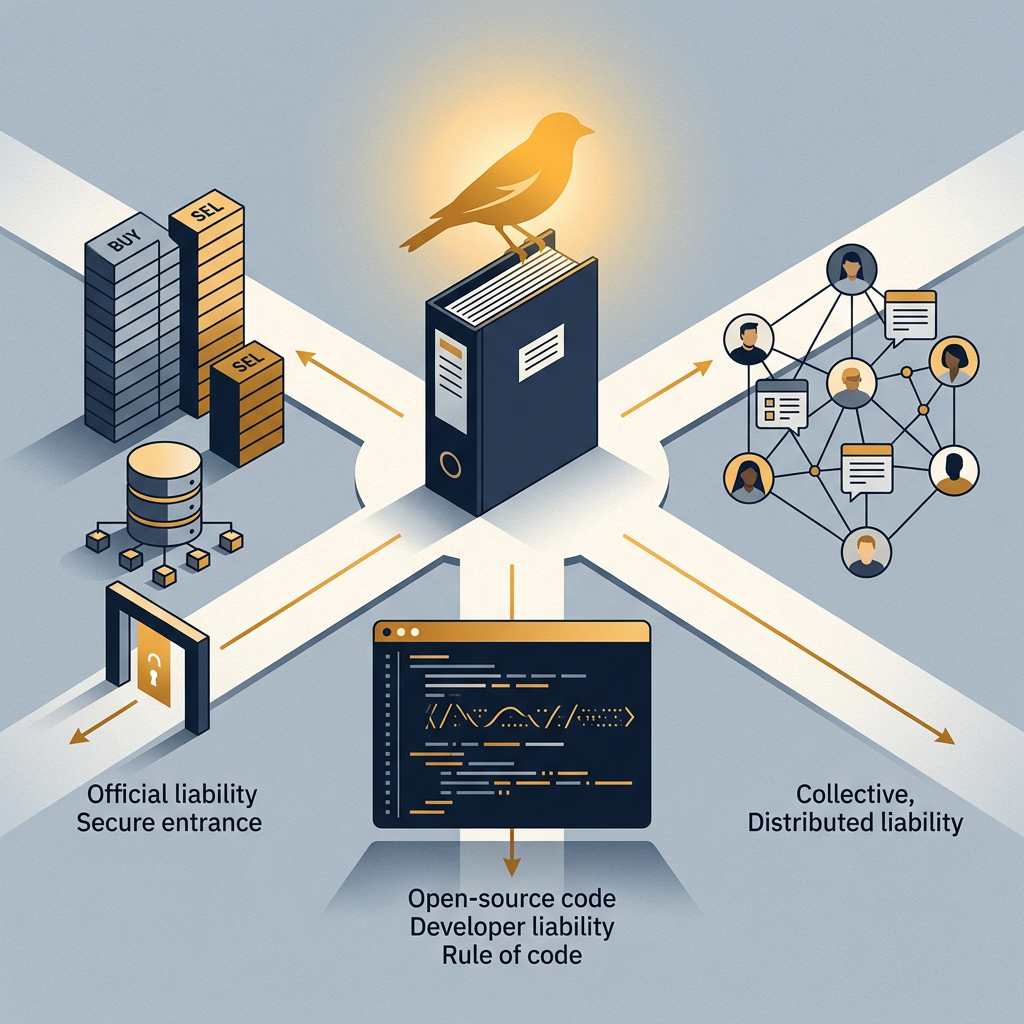
Scope and limits: This is my personal, first-person record. I separate what I did, what is publicly documented, my own interpretation, and open questions. Nothing here proves wrongdoing or legal responsibility by Coinbase, Coinbase Ventures, Warbler Labs, Goldfinch, or anyone else. This is not legal, financial, or investment advice.
1. Why I'm Writing This
I'm publishing this to keep four things separate: what I actually did, what public sources say, how I interpret those sources, and what's still unknown. This is a record, not an accusation. Where I don't have a primary record, I say so.
2. What I Bought and What It Cost
I bought GFI through Coinbase. My total financial impact—realized losses, unrealized value changes on GFI I still hold, fees, spreads, and borrowing costs combined—is roughly $30,000. That is an estimate, not a finalized, itemized loss. Part of it was financed with a personal loan, a car loan, and a home equity line of credit.
I am not saying Coinbase, Coinbase Ventures, Warbler Labs, Goldfinch, a16z, Heron Finance, R2.money, Plume, any DAO participant, or anyone else received the full $30,000. Identifying where each dollar went requires transaction-level records: execution costs, the counterparty on each trade, sale proceeds, the unrealized change in value of GFI I still hold, later transfers, and my own borrowing costs. Coinbase's retail app doesn't show the seller, the liquidity source, or the exact fee economics behind each trade.
3. Why I Kept Holding
After buying, I saw public material about Heron Finance, R2.money, and Plume, along with continued development activity. I read those as possible signs of continued use, development, or recovery potential—my interpretation, not a promise anyone made.
On January 1, 2026, a community Discord message said “Prime isn’t dead” and referenced ongoing growth in Heron's assets under management. I read that as relevant to whether Goldfinch Prime was still active.
4. Timeline
A short chronology of the public material I considered. A sequence of events can raise questions about timing, but it doesn't by itself prove intent or misconduct.
- 2022: a16z published an “Investing in Goldfinch” announcement.
- Later period: Public discussion raised concerns about legacy credit, recoveries, and product direction.
- 2025–2026: Materials referenced Heron, R2.money, Plume, and continuing development.
- 2026: GIP-87 proposed maintenance mode, an end to new development, a Goldfinch Prime wind-down, and a focus on legacy borrower recoveries.
5. Who's Who: Entities and Open Questions
A name, a logo, an early investment, or public association doesn't make two parties legally the same. Coinbase was the retail platform I purchased through; the seller, routing path, and fee economics on each trade remain unproven. Coinbase Ventures—a separate business from the Coinbase exchange—was a publicly disclosed early investor; its later control or knowledge is not established. Warbler Labs is publicly associated with Goldfinch-related development; which entity made or approved a specific statement remains unclear. Goldfinch DAO governance, Goldfinch-related legal entities, Heron Finance, R2.money, Plume, borrowers and pool counterparties, other token holders, and other retail buyers each had a distinct, publicly documented role—none of which by itself establishes responsibility for my losses.
6. What Would Answer These Questions
Records that would let my estimate and each entity's role be checked properly:
- Coinbase's own order, fill, fee, transfer, and available-liquidity records for my trades.
- The buyer-facing disclosures Coinbase showed U.S. GFI buyers at the time.
- What rights a U.S.-based GFI holder actually had under Goldfinch's protocol terms.
- Full context and authorship of the January 1, 2026 Discord message.
- Complete GIP-87 governance, voting, Snapshot, and delegation records.
- Documentation of how Goldfinch, Warbler Labs, Heron Finance, R2.money, and Plume relate to each other.
- A clear breakdown separating realized losses, unrealized losses, fees, sale proceeds, remaining holdings, and borrowing costs.
7. Conclusion
This article does not attempt to reduce a complicated financial, technical, and legal situation to one accusation. It records what I experienced, what I can verify, and what's still unresolved.
The July 30, 2026 Underwood v. Coinbase opinion matters here only because it shows why transaction mechanics can matter—it doesn't establish facts about my own GFI transactions. Verify the sources yourself, keep your own records, and consult a qualified professional before drawing conclusions. This is not legal, financial, or investment advice. For a GFI information request, use the GFI information request inbox.